

Championing the Local, part 1
SPEAKERS: (full bios below)
Dr Ewan Robertson, Global Community Wealth Building Fellow, The Democracy Collaborative
Dr Emilia Pietka-Nykaza, senior lecturer, University of the West of Scotland
Chris Martin, CEO, Social Enterprise Scotland
Donald John MacSween, general manager, Point and Sandwick Trust
Abi Mordin, co-director, Propagate
Amanda Doig, head of support services, The Ridge , Dunbar
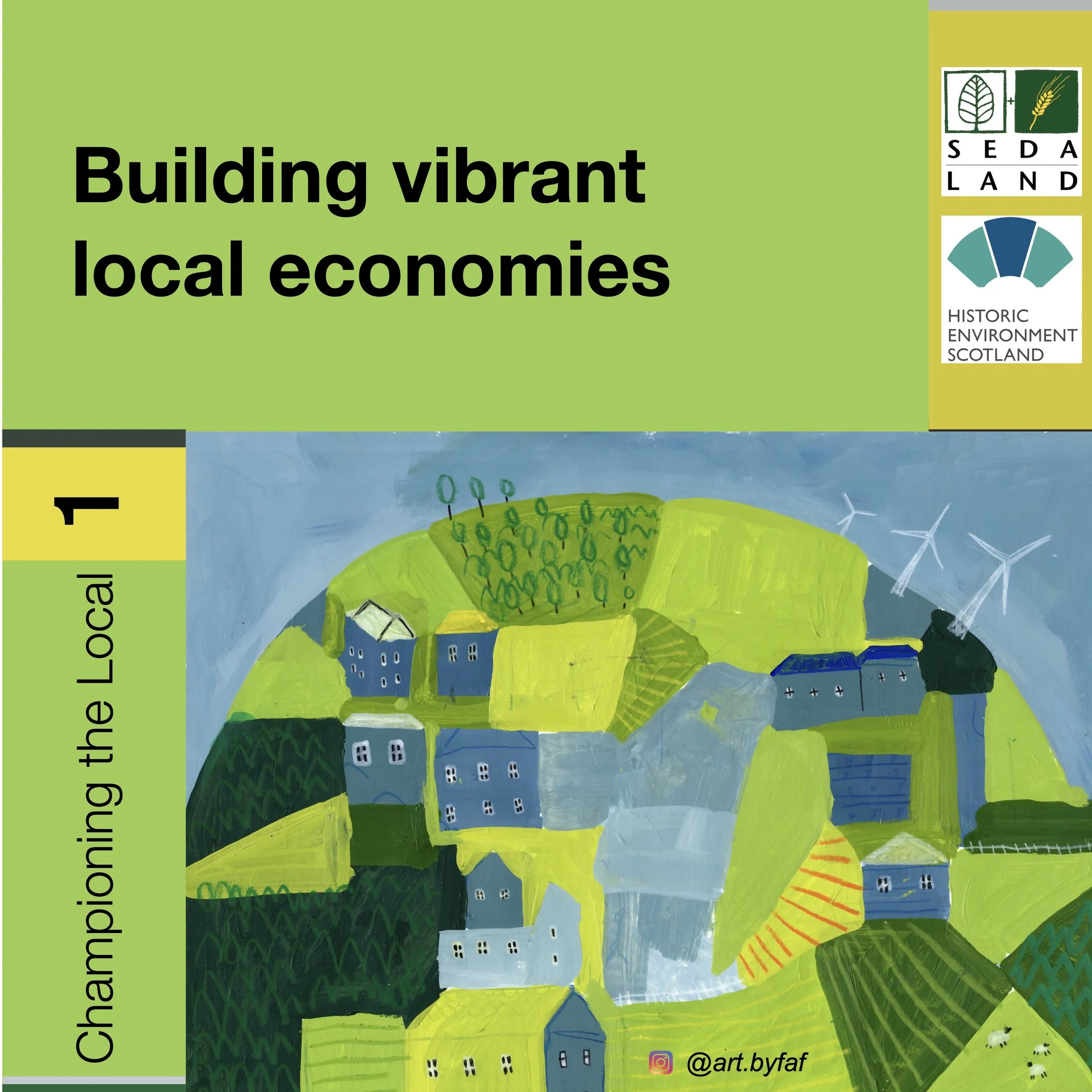
Building vibrant local economies
Monday, 7th September, 4-6pm
Online – free admission
Building vibrant local economies is the first in the CHAMPIONING THE LOCAL series of SEDA Land Conversations.
This Conversation is aimed at helping community groups realise their ambitions
We will explore alternative business models, including co-operatives, social enterprises and employee-owned businesses, and how they can make LVC’s possible, as well as the best scale at which such issues can be addressed – local, regional or national.
At present, Scotland has plenty of micro examples of Inclusive and Democratic Business Models (IDBMs). We will look at ways of scaling these up, and rolling them out across the country, in areas such as food, renewable energy and retrofit.
One aim is to highlight the interconnectedness of all these issues, and how thinking about them together brings wider benefits, with different sectors learning from each other.
This Conversation will include inspirational models, using these as a springboard for a broader discussion of the subject, addressing obstacles along the way and how to overcome them.
CHAIR:
Adam Forrest, co-op development manager at Scottish Agricultural Organisation Society (SAOS)
Championing the Local
An online series of SEDA Land Conversations (free to attend)
Mon 7th, 14th & 21st of September 2026
There is an emerging consensus about what needs to be done to revive rural Scotland. This series of events will look at how this might be achieved in practice.
The theme will be the role local value chains can play and how these might be facilitated. A place-based model enables rural communities to reap more of the benefits from the land around them including health and wellbeing benefits as well as environmental ones from shorter supply chains.
The passing of the Community Wealth Building Act by the Scottish Government is likely to fuel the growth of local value chains. This world-first piece of legislation commits the Scottish Government to “enable more local communities and people to own, have a stake in, access and benefit from the wealth [Scotland’s] economy generates”, making it mandatory for public bodies to prioritise the reinvestment of locally-generated wealth back into local communities. This event aims to ensure that councils, health boards and other public bodies are given the means to enact the bill.
Artistic Contributions

Moteh Parrott, Alternative-indie-folk singer-songwriter
Born in Cameroon to parents working in rainforest conservation, and given the local name ‘Mnkongmoteh’, Moteh is a Scottish musician who has been likened to “a Highland wilderness with all the sweeping colour and spirit which that encompasses”. He was shortlisted for BBC Radio Scotland’s Singer-Songwriter of the Year 2019, and released his debut album The Stones are Merely Sleeping in 2024.
Lisa MacDonald, poet and short story writer
Lisa lives in Achiltibuie in the NW Highlands. She is a community activist, a primary school teacher and a lecturer at Sabhal Mòr Ostaig. Her work has been widely published including her collection Mnathan na Còigich | The Women of Coigach. Lisa won the Wigtown Gaelic Poetry Prize 2014. She is fascinated by context – the way choices and circumstances ripple across communities, relationships and time in unforeseen ways .
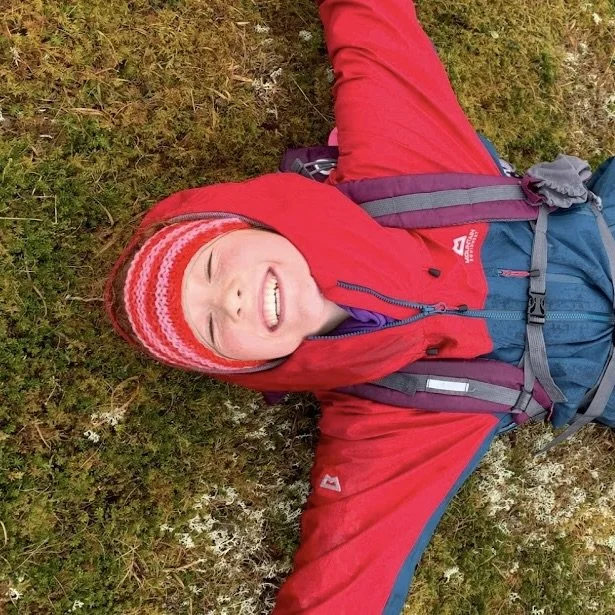
Flora Fraser, artist
Flora is an award-winning multi-media landscape artist exploring shared experiences in Scotland’s wild places: Art by FAF
Speakers
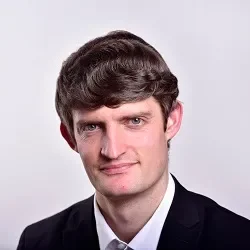
Dr Ewan Robertson
Global Community Wealth Building Fellow, The Democracy Collaborative
Dr Ewan Robertson is a Global Community Wealth Building (CWB) Fellow with The Democracy Collaborative. In this role, he supports practice and knowledge exchange in the global CWB movement. Over the past decade Ewan has held a number of roles in Scotland’s third sector focused on economic development and regeneration, towns and communities, and local democracy. He also holds a PhD in Social Policy from the University of Edinburgh and conducts academic research on policies to combat in-work poverty and job precarity. He is the author of the book Making Work Pay in Mature Welfare States: The Politics of In-Work Benefits in France and the United Kingdom (2026, Palgrave MacMillan).
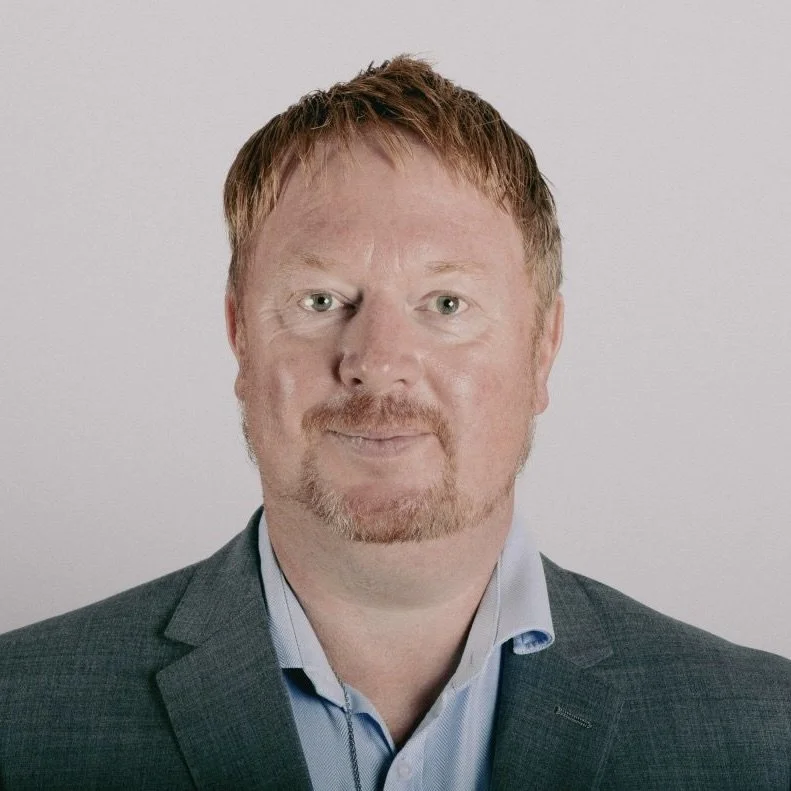
Chris Martin
CEO, Social Enterprise Scotland
Chris Martin is Chief Executive Officer of Social Enterprise Scotland, the national membership body for social enterprises in Scotland. He has spent his career building and championing the social enterprise movement, with direct experience as a founder, practitioner and sector leader. Chris has launched a number of social enterprises, including Engage Youth Project and Callander Hostel, and has a background in both formal and informal education. As Convener of the Callander Social Enterprise Network, Chris played a leading role in Callander becoming Scotland’s first Social Enterprise Town. He also has a strong interest in social investment and co-founded Impact Investment Partnership Scotland. As Chair, he helped establish the £15 million Catalyst Fund in 2021, designed to support early-stage social enterprises with the finance they need to grow their impact. Through his current role, Chris works with members, government, funders and partners to strengthen Scotland’s social enterprise sector and advance a fairer, more inclusive economy.
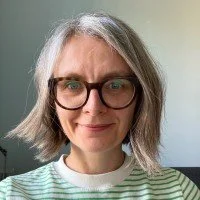
Dr Emilia Pietka-Nykaza
Senior lecturer, University of the West of Scotland
Emilia brings a rich academic background in sociology, refugee studies, and political science to her research on integration and settlement processes. Her focus extends to exploring the impact of diverse population mobility patterns on the sustainability of rural communities, particularly examining the connections of young people to rural areas and fostering community relations among residents with varied migration histories. Emilia is an academic migrant herself and is keen to support sustainable rural communities. Emilia is currently a Senior Lecturer in Sociology and Social Policy and Programme Leader for Social Sciences at the University of West of Scotland. She has more than 15 years of research experiences in the broad field of migration studies from a multidisciplinary and policy-focused perspective. Prior joining UWS, Emilia was a Research Fellow at the Centre for Population Change (CPC) at the University of Southampton. Emilia holds PhD in Education, MPhil in Sociology and MSc in Refugee and Migration Studies from University of Strahclyde. She is a director at Scottish Rural Action.
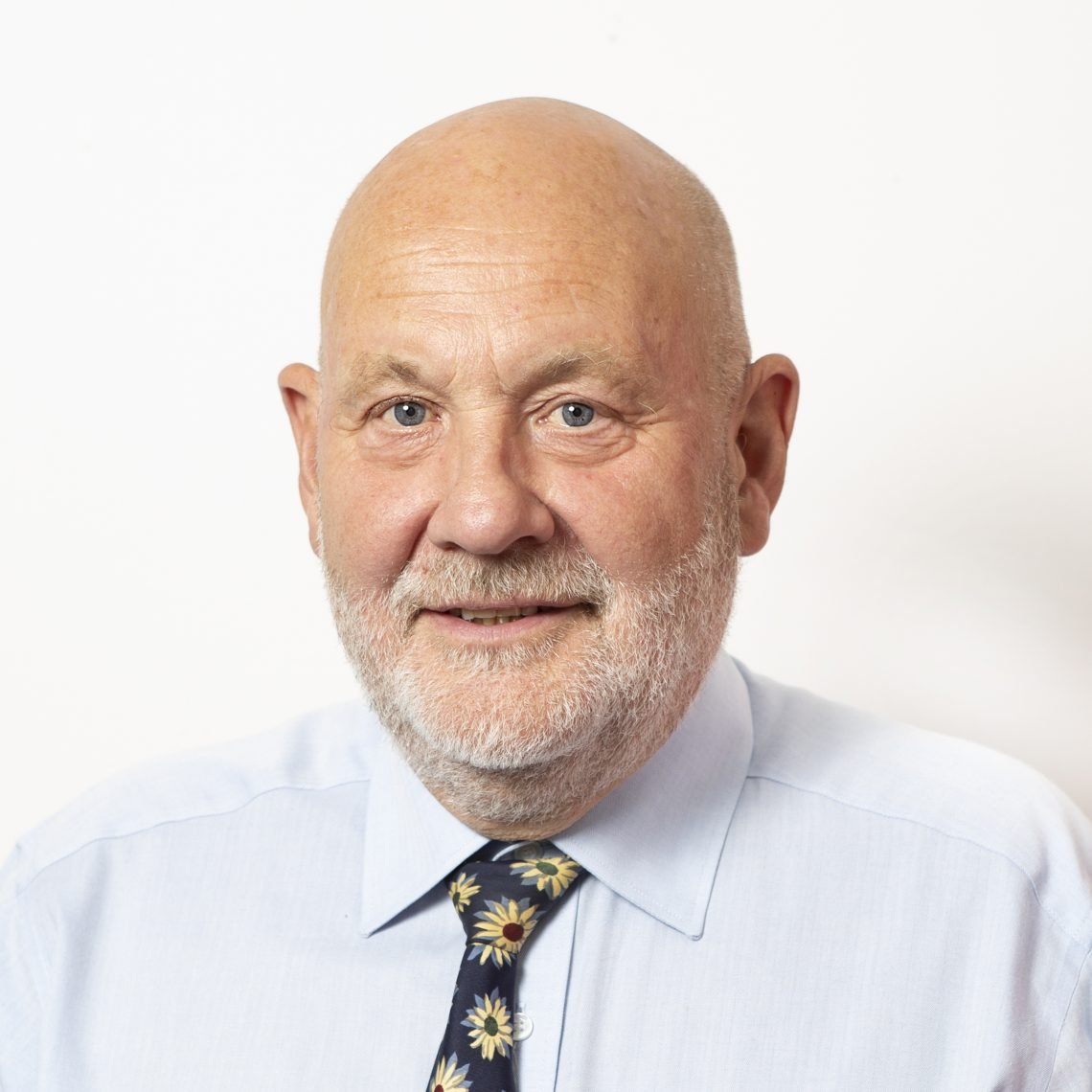
Donald John MacSween
General manager, Point and Sandwick Trust
Donald John is a former councillor for Sgire an Rubha with previous leadership roles in the Third Sector and national Gaelic development, having set up Western Isles Foyer and been the first chief executive of An Comunn Gàidhealach. Point and Sandwick Trust run Beinn Ghrideag, the largest 100% community owned energy project in the UK. A native Rudhach, he is an active crofter whose interests including planting trees, gardening and keeping hens and bees. Donald was awarded an MBE in the King's Honours List in 2025 for his services in the Western Isles.
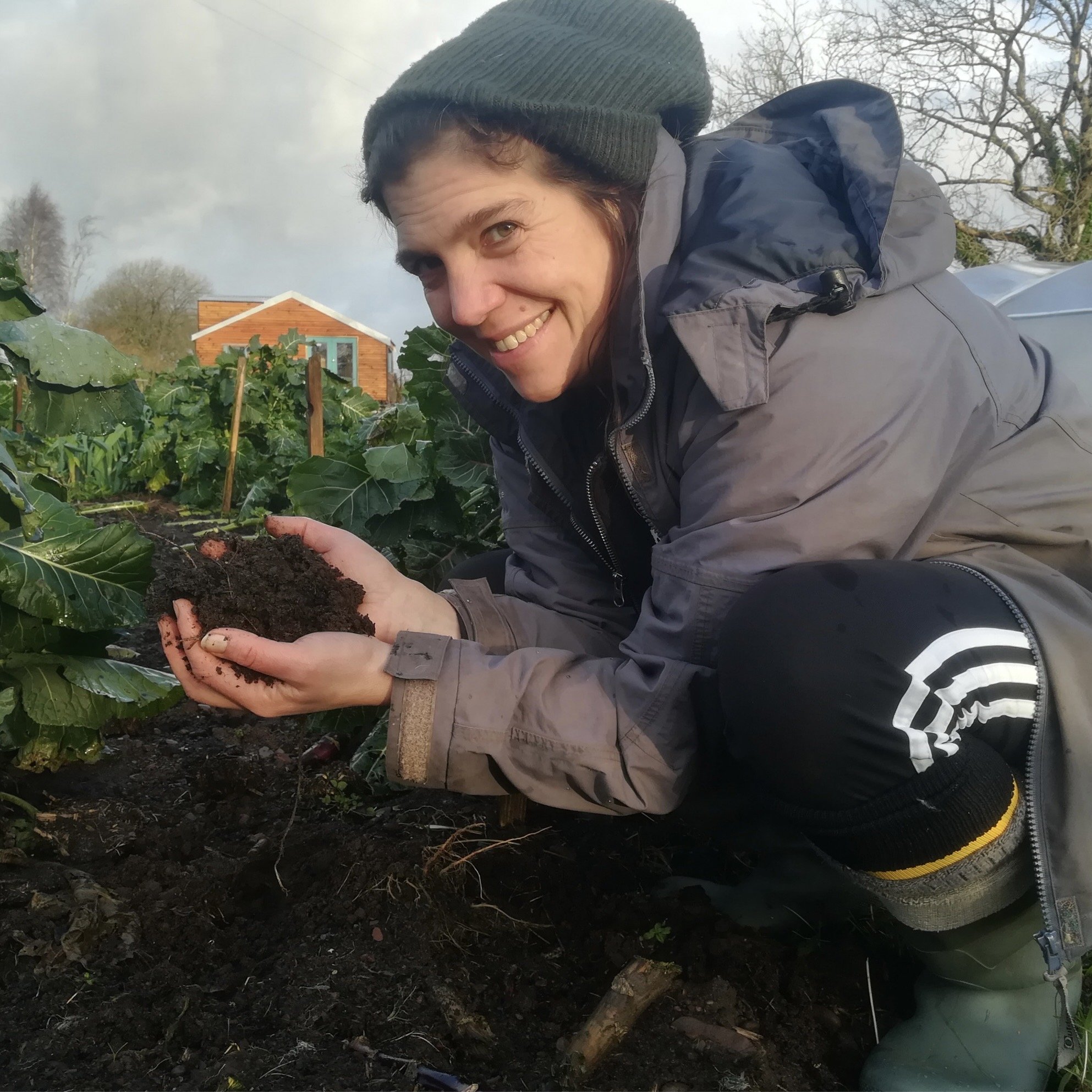
Abi Mordin
Co-director, Propagate
Abi is a co-director of Propagate - a Scottish collective working on local, sustainable and community food projects. She has been working across community and local food projects for over 20 years, and is passionate about food sovereignty, resilience and fair food systems. An experienced grower, facilitator, practitioner and researcher , with an MSc in Farming and Food Security, Abi's inclusive and collaborative attitude encourages everyone to be involved in thinking about and co-creating sustainable food and farming systems. Abi lives in Dumfries and Galloway where she runs a small market garden and a small herd of Shetland cattle. Find out more at www.propagate.org.uk
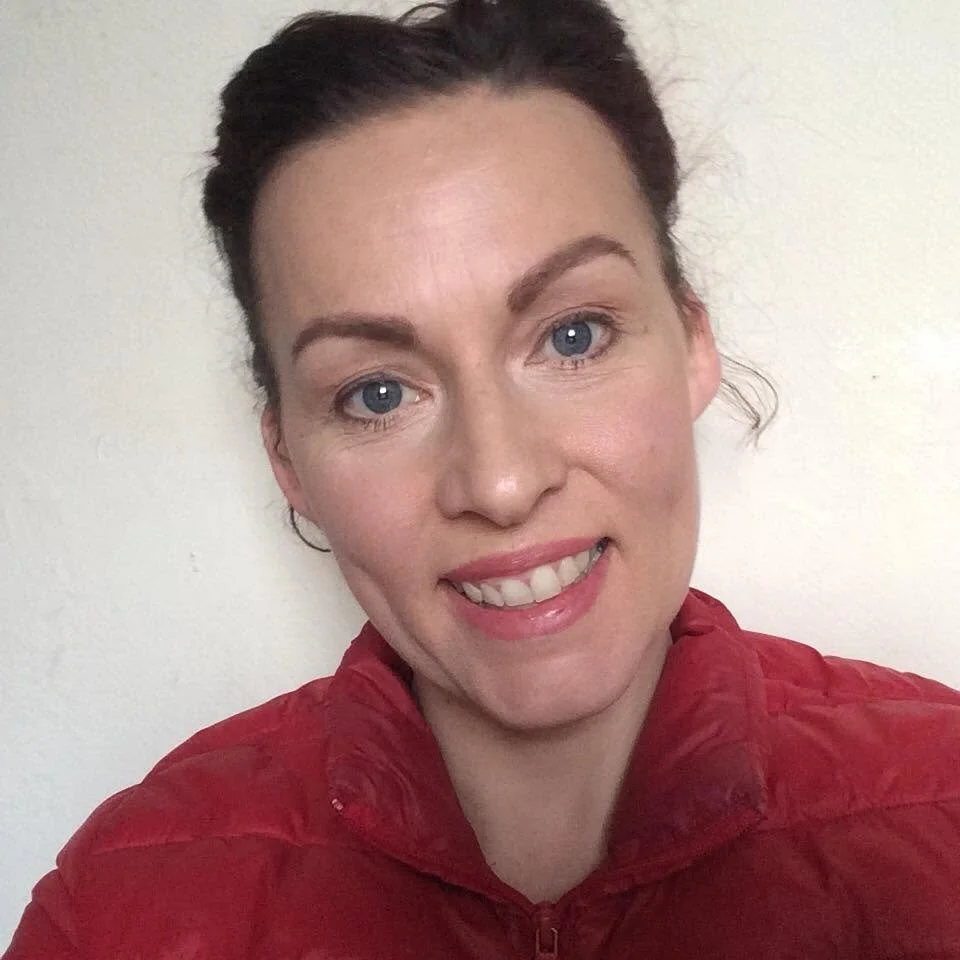
Amanda Doig
support service manager, The Ridge , Dunbar
Amanda Doig is Head of Support Services and Safeguarding Lead at The Ridge SCIO in Dunbar, a community charity providing holistic support alongside training, skills development and pathways into employment. With extensive experience across social care, housing, welfare, mental health, recovery and employability, Amanda is passionate about reducing inequality and creating accessible opportunities for people facing disadvantage. Her work focuses on building strong local partnerships and providing person-centred, trauma-informed support that enables people to develop confidence, skills and sustainable pathways.
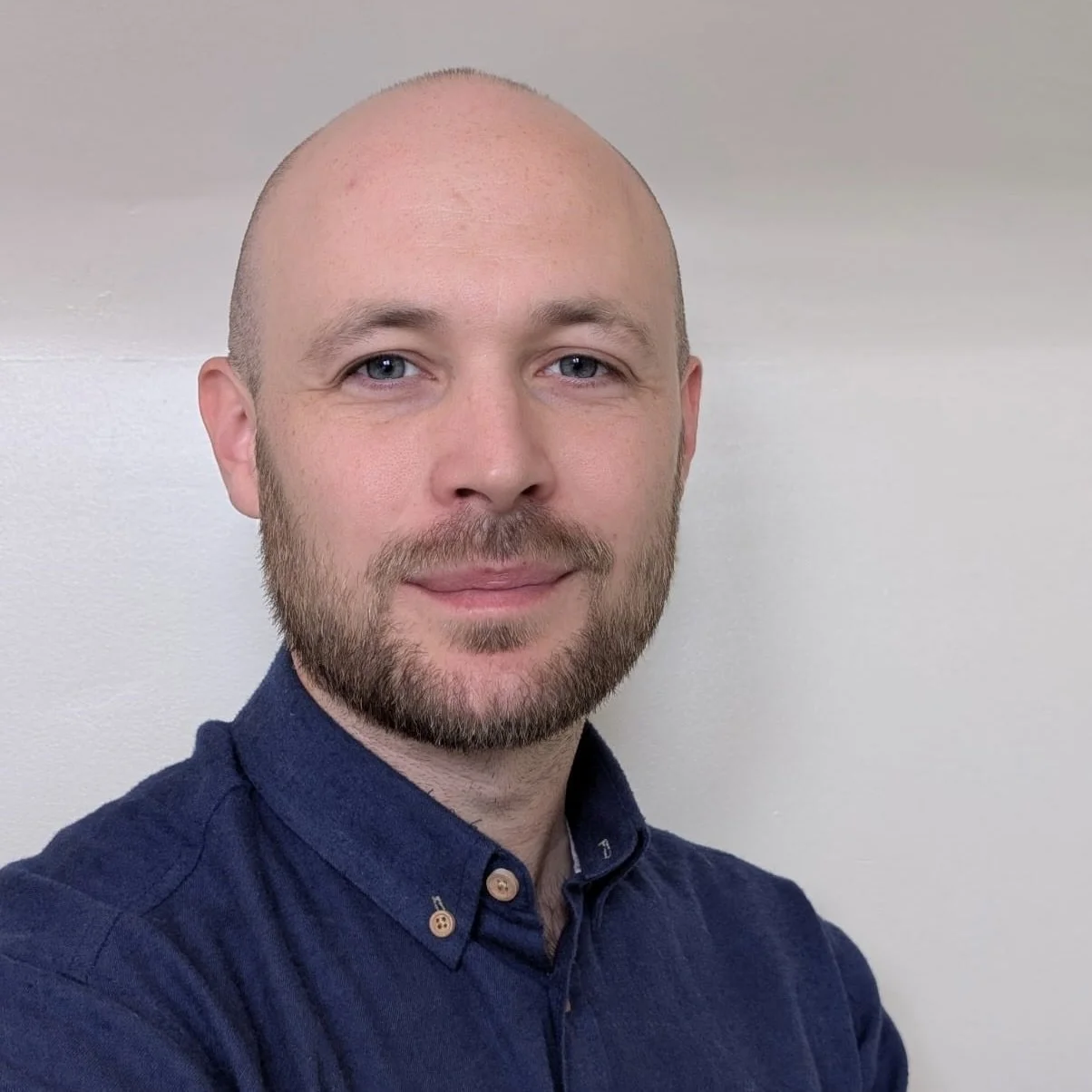
CHAIR – Adam Forrest
Co-op development manager at Scottish Agricultural Organisation Society (SAOS)
Adam works at the interface of agriculture, sustainable food systems, and rural development. His background spans roles in farm enterprise management, organic sector development, co-operative governance, and commercial strategy in the food sector. He is particularly interested in building collaborative, farmer-led approaches to sustainable agriculture that combine food production, nature restoration and community benefit. In 2025 he joined SAOS as Co-op Development Manager, to support the growth and resilience of Scottish agricultural cooperatives. Adam previously served as Scotland Manager for the Nature Friendly Farming Network (NFFN), where he led advocacy, farmer engagement, and policy-influence efforts working with producers, eNGO partners, and government to embed nature-friendly farming in national agricultural policy. Prior to NFFN at Scotland Food & Drink, Adam coordinated the development of Scotland’s National Organic Action Plan alongside sectoral stakeholders and prior to that he was the enterprise manager at Cyrenians Farm, a market garden and rural skills centre for young people from backgrounds of homelessness.