Cart 0
 

ABOUT SEDA LAND


VISION STATEMENT

SEDA Land is a unique, cross-sectoral forum for the discussion, formulation and promotion of ideas that will improve land use in Scotland to achieve both a healthy ecology and dynamic social economy. Its strength lies in the experiences of a broad range of stakeholders - including land managers, owners and employees, third sector groups, communities, industries and researchers - working together to meet the challenges of environmental and social change. SEDA Land provides an independent viewpoint, drawing on a large pool of knowledge to make the case for better land use, especially in, but not limited to, rural areas.

The aims of SEDA Land are:

  • To bring together individuals and groups from different sectors to design and test imaginative solutions for land use that can address the priorities of climate change, food and energy security, biodiversity loss and social issues

  • To be a source for sharing cross-sectoral knowledge and promoting ideas on the ecological use of Scotland’s land

  • To broaden awareness of these ideas, and possible solutions, through events, publications and the media

  • To inform and influence policies around land use in Scotland, with the aim of delivering the changes needed to ensure Scotland’s land works for all who work, live or visit it, as a part of a thriving ecology and economy.

    SEDA Land is well-placed to deliver this, rooted in SEDA's impartiality on land use, our track record in changing regulations regarding urban fabric and our familiarity with multidisciplinary approaches. We are used to dealing with complex issues involving many disciplines in an imaginative way. We see these skills as being transferable to the land sector and, with the help of experts in the field, as capable of finding and proposing innovative solutions for the use of Scotland’s land.



Get involved

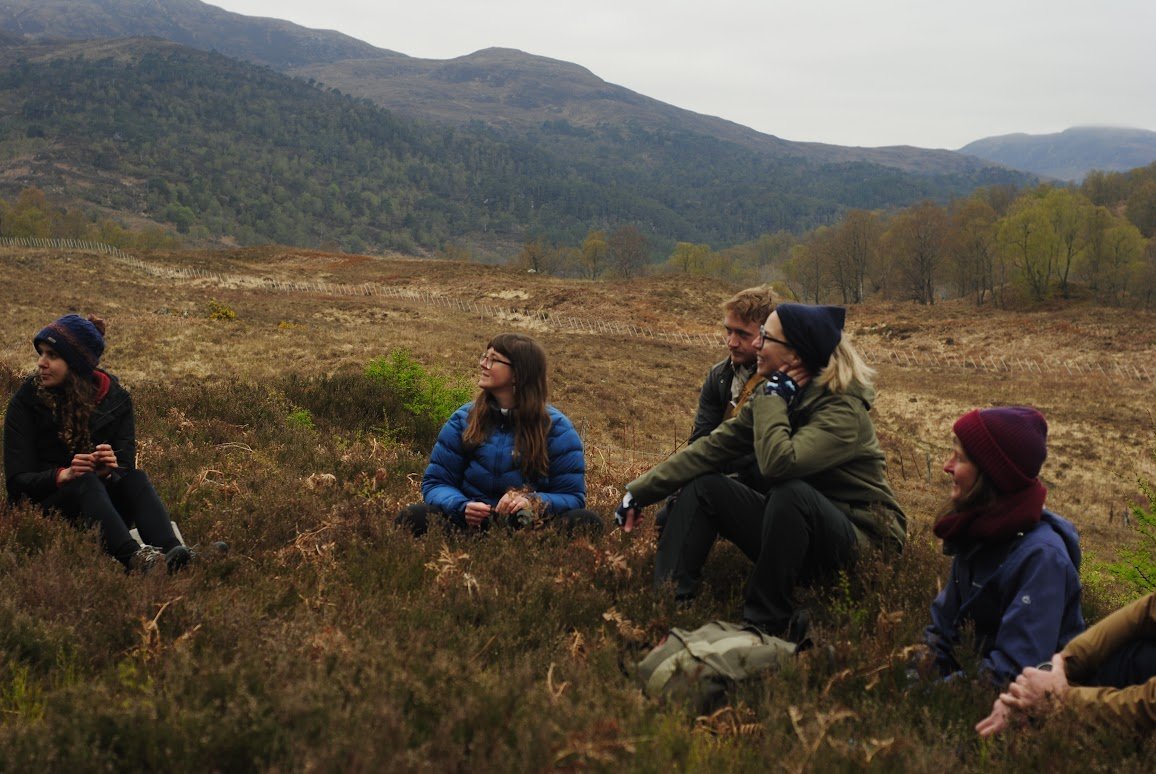
We would like to work with as many different voices as possible, including (but not limited to) community groups, outdoor leisure groups, land owners and workers, rural enterprise owners and workers, conservation groups and organisations, activists, outdoor education providers, youth workers, artists and musicians.

We are looking for individuals who want to be involved in SEDA Land, as opposed to organisations. Please get in touch at land@seda.uk.net if you want to work with others who want to find better, more ecological, and socially successful proposals for land use.


Steering Group


Halvorsen Architects & chair SEDA Land

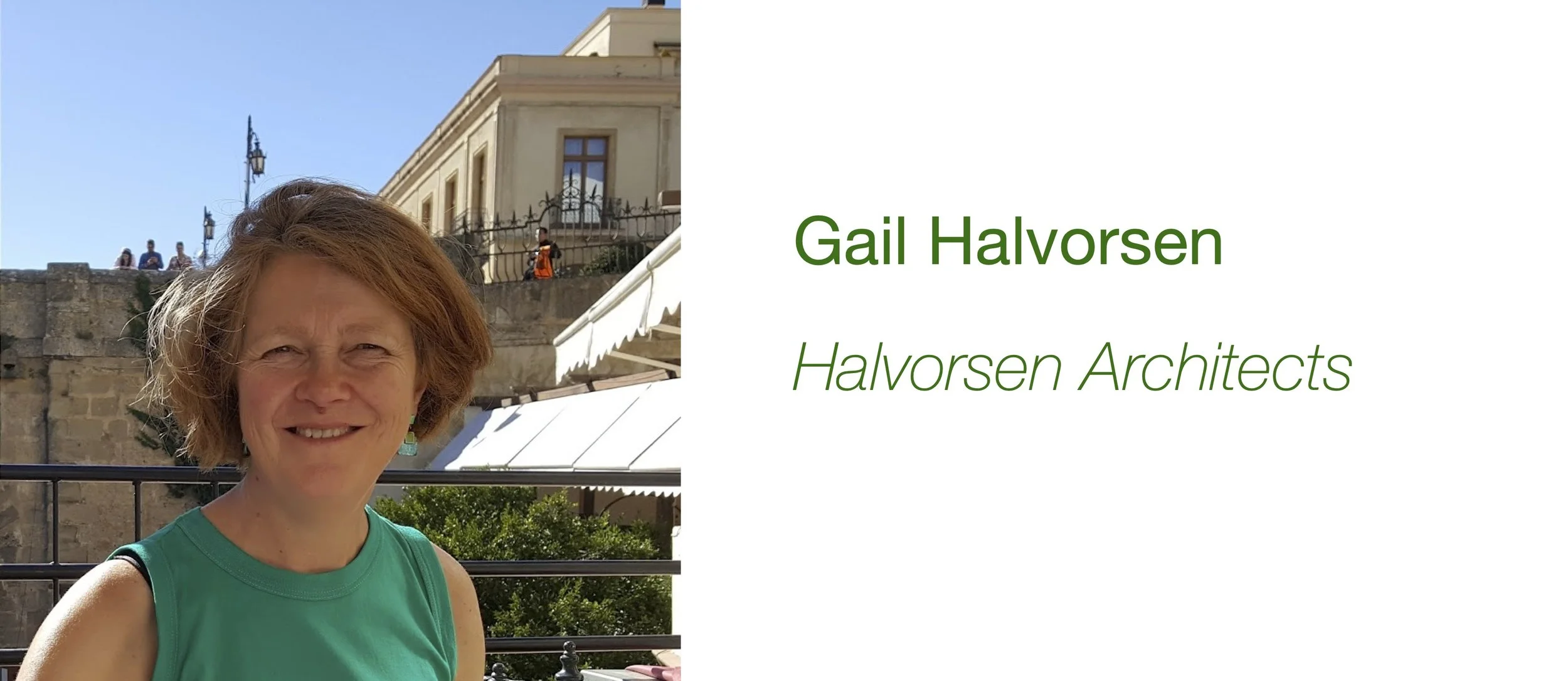
After qualifying from the Architectural Association School of Architecture, Gail worked for Michael Hopkins and Partners in London. She established Halvorsen Architects in 1994, moving to Edinburgh in 1999, where she specialises in ecological design for residential and nursery school buildings. Gail was chair of ECAN (Edinburgh Chartered Architects Network) from 2001-2 and on the board of Gorebridge Community Development Trust for 10 years, being chair from 2014-16, where she project managed the £2.5m community centre, Gorebridge Beacon. She was a Civic Trust Award assessor 1997–2011 and has run environmental projects with primary schools. Gail is a director of the Scottish Ecological Design Association and organised the A New Vision for Land Use in Scotland: Six Conversations in Spring 2021.


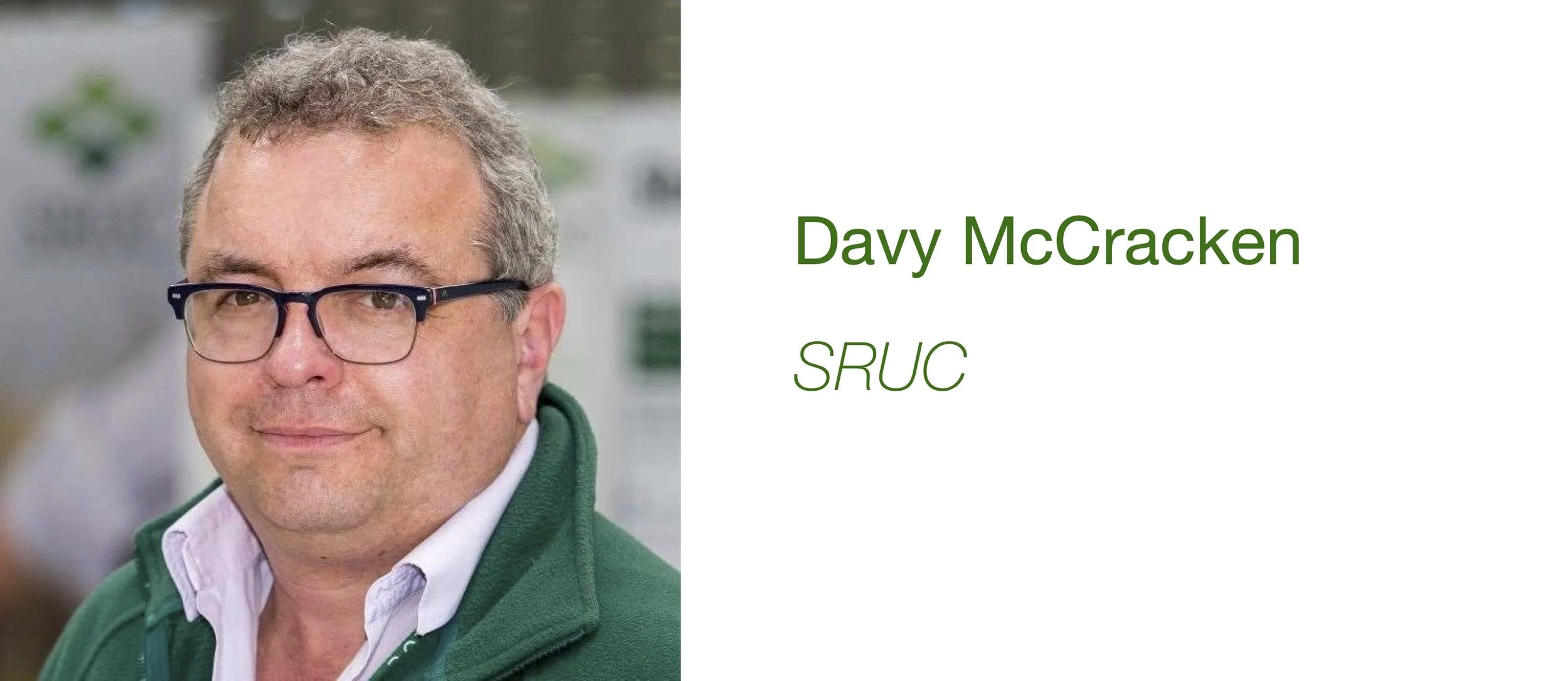
Head of department, Integrated Land Management, Scotland's Rural College (SRUC)

Davy joined SRUC in 1995 and has been Head of SRUC’s Hill & Mountain Research Centre, at Kirkton & Auchtertyre farms near Crianlarich, since 2013 and Head of SRUC’s wider Integrated Land Management Department since 2019. The Centre is seeking to ensure that the farms provide a platform for upland agricultural, environmental and – increasingly – agro-forestry research and demonstration. Davy studies farming and wildlife interactions and has been working on agricultural and agri-environmental policy at a national and international level for 30 years. He has been involved in providing advice and guidance on policy development to a wide range of governmental and NGO committees over the years and is currently inputting to the development of both Scotland’s new agricultural support policy and future biodiversity strategy. More information at: https://pure.sruc.ac.uk/en/persons/davy-mccracken

Knowledge Exchange Coordinator, James Hutton Institute

David has a BSc in Topographic Science from University of Glasgow, and a PhD on expert systems from the University of Aberdeen. He has worked at the Institute since 1984, currently as the Knowledge Exchange Coordinator. In the initial years of the James Hutton Institute he was Research Theme Leader of Realising Land's Potential. He has worked on techniques for handling and analysing geographic information and applying them to mapping, monitoring and modelling changes in peatlands, land cover, urban and rural land use, landscape and seascape, and the development of Geographic Information Systems for use by government and its agencies. Currently he is a member of the Scottish Government Digital Task Force as part of the reformation of planning. He was an advisor to the Scottish Government Land Reform Review Group


Honorary principal scientist at the James Hutton Institute

Professor Geoff Squire is a biologist specialising in sustainable systems, global energy-matter cycles and biodiversity. He spent formative years in the Microclimatology in Tropical Agriculture group at Nottingham University before working on land use and sustainability in several countries of Africa and south-east Asia.  He joined the forerunner of the James Hutton Institute over 25 years ago, since then leading multi-partner research programmes (UK and EU) and research departments in topics including vegetation systems, landscape-scale geneflow,  and environmental risk assessment. More recently, he was the first head of the Institute’s Agroecology group. Now retired, he continues an interest in the biology of land use, both in a personal capacity and supporting ex-colleagues and students.  He runs the Curved Flat Lands blog: http://curvedflatlands.co.uk/land/seda-land-conversations-matrix-and-decision-tree/

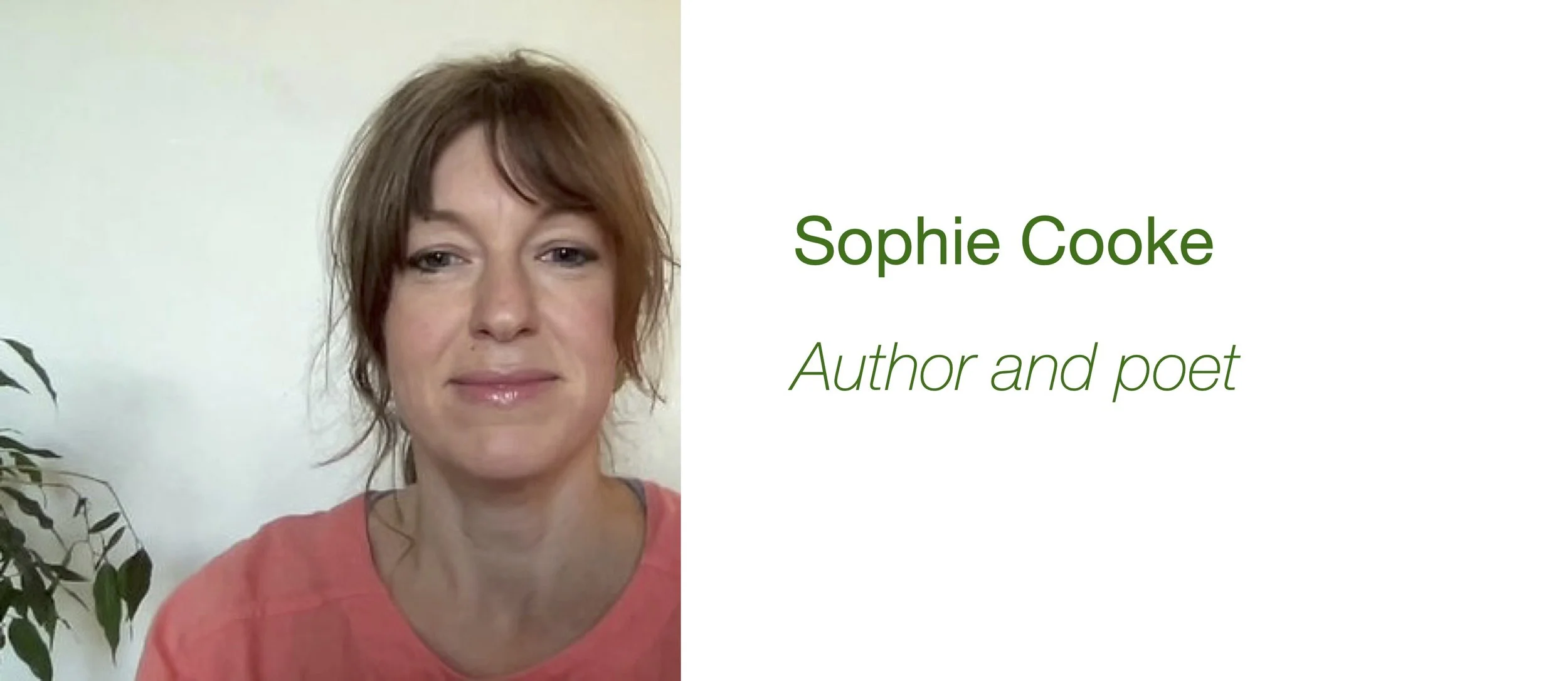
Poet, novelist and associate lecturer at The Open University

Sophie Cooke is a poet, novelist, and short story writer with over twenty years experience as a practising artist. She produces written works and multimedia collaborative pieces involving film, photography, visual arts, and music. Because of this, she has an excellent, wide-ranging network of contacts within the Scottish arts scene. Sophie's past experience includes: co-organising the poetry strand of the Hidden Door arts festival; 'Byland', a film-poem produced in collaboration with a film editor and producer, commissioned for the Year of Natural Scotland using archival material, presented at the RSA in Edinburgh and at various locations around Scotland (as well as online); 'Salt', a film-poem for which she commissioned new film and music; 'The Mistook Heart', a poem set to new music, working with a composer; 'Star', visual art-inspired poetry, presented within an art installation at the Fruitmarket Gallery; live and recorded readings of new poems on environmental themes for the SEDA Land Conversations 2021.

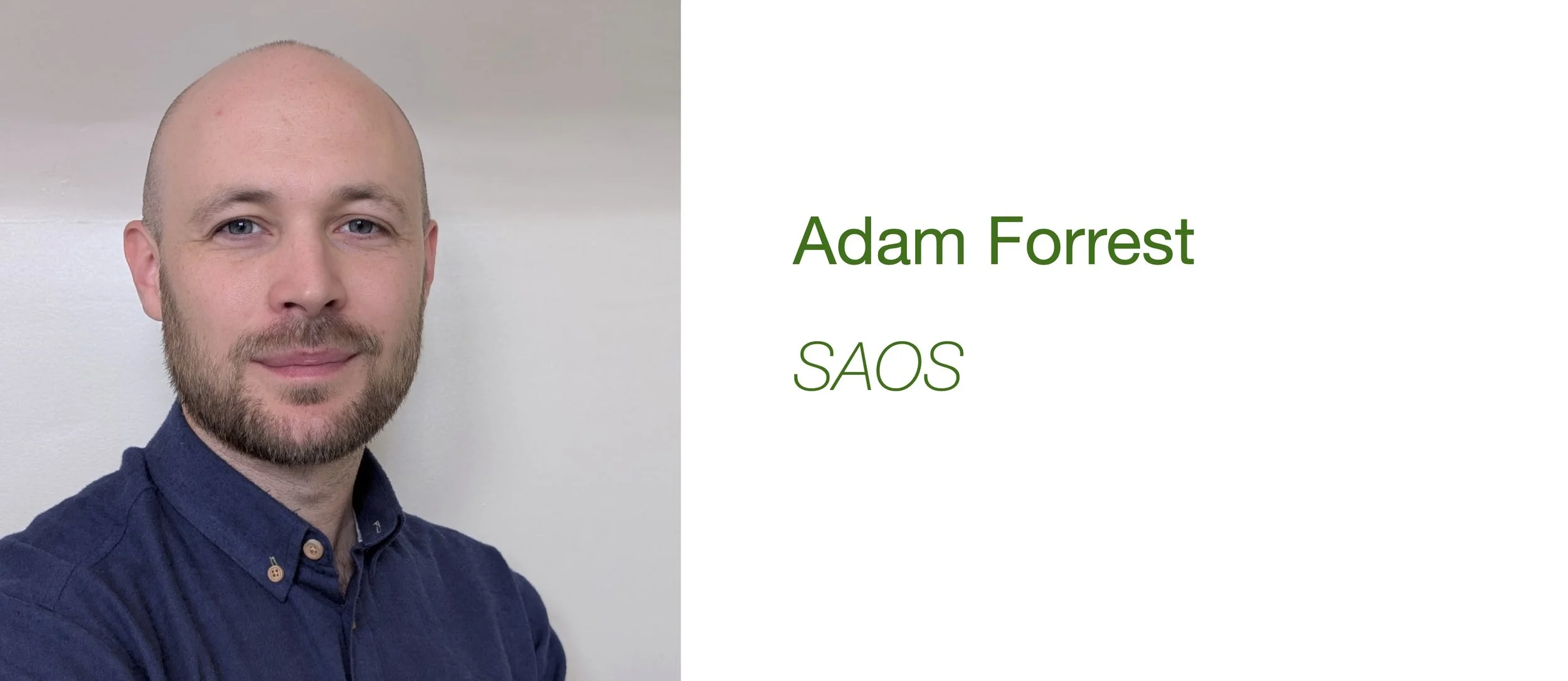
Co-op development manager at Scottish Agricultural Organisation Society (SAOS)

Adam works at the interface of agriculture, sustainable food systems, and rural development. His background spans roles in farm enterprise management, organic sector development, co-operative governance, and commercial strategy in the food sector. He is particularly interested in building collaborative, farmer-led approaches to sustainable agriculture that combine food production, nature restoration and community benefit. In 2025 he joined SAOS as Co-op Development Manager, to support the growth and resilience of Scottish agricultural cooperatives.  Adam previously served as Scotland Manager for the Nature Friendly Farming Network (NFFN), where he led advocacy, farmer engagement, and policy-influence efforts working with producers, eNGO partners, and government to embed nature-friendly farming in national agricultural policy. Prior to NFFN at Scotland Food & Drink, Adam coordinated the development of Scotland’s National Organic Action Plan alongside sectoral stakeholders and prior to that he was the enterprise manager at Cyrenians Farm, a market garden and rural skills centre for young people from backgrounds of homelessness.


Architect / Director, Makar Ltd.

Neil is an award winning, ecologically driven architect who runs his own construction company, MAKAR Ltd., South of Inverness. MAKAR is a pioneering company that designs and builds ecological homes, offices and community buildings using off-site construction. Neil is passionate about building healthy, environmentally friendly, low energy buildings using locally grown timber. Neil has experience in timber and land management and teaches at the Scott Sutherland School of Architecture, Aberdeen.


Freelance journalist

Nick Drainey is a freelance journalist based in Scotland, covering rural issues. He also writes walking guidebooks and has a popular Facebook walking group: Walking Scotland. He was formerly the news editor of The Scotsman as well as news editor of The Times Scotland. Nick has been a journalist since the days before Tony Blair was prime minister. Now freelancing from Linlithgow near Edinburgh, he has enjoyed written and broadcast work covering everything from walking guides and features to hard news stories He specialises in the outdoors from a love of hill walking and is passionate about all issues affecting rural life, from deer numbers to enterprising individuals setting up businesses and coming up with new ideas.

Applecross Community Company

Megan has over 20 years' experience working on land reform in Scotland and internationally, particularly throughout Southeast Asia, with community groups, NGOs, governments, international organisations and large agribusiness companies. She has considerable expertise in protecting land rights, land management, community empowerment, natural resource governance and human rights. She grew up on Skye and is now part of a crofting family in Applecross. She was a Scottish Land Commissioner until December 2023 and is the Local Development Manager for the Applecross Community Company, where she is responsible for delivering a community-led affordable housing project.


support staff

Eleanor is a MA law conversion student and trainee solicitor at TLT LL, specialising in environmental law. She is passionate about sustainability and interested in green-finance, and clean energy law. Eleanor graduated from St Andrews 2021 with a first class Geography degree.

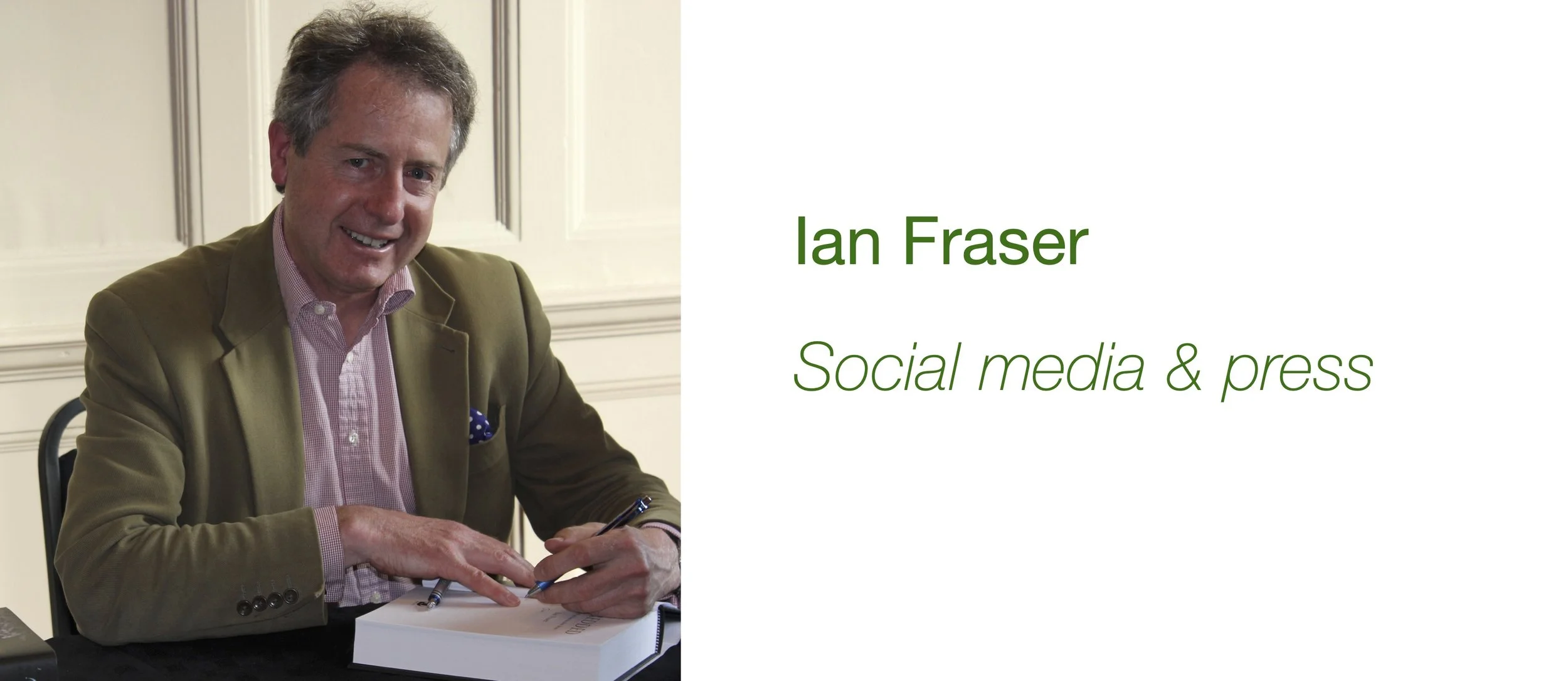
Ian is an award-winning journalist, commentator and broadcaster who writes about business, finance, politics and economics. He has written for titles including The Economist, Financial Times, The Sunday Times, The Times, Daily Telegraph, Daily Mail, Mail on Sunday, Independent on Sunday, the Herald, Sunday Herald and BBC News. He wrote the book  Shredded: Inside RBS, The Bank That Broke Britain and has worked on programmes about the global financial crisis and its aftermath for the BBC.